A Q&A WITH
Leigh Patterson
A conversation on reflection, ritual, and the evolution of Moon Lists—from its beginnings as a personal journaling project to the creation of its Spanish edition, and the creative process that continues to shape it along the way.
LUCA / June 1, 2026
Created by Leigh Patterson in 2016, Moon Lists is an evolving journaling project built around prompts, observation, and the practice of paying attention. Through guided exercises, seasonal editions, and an intentionally slow rhythm, it offers a way of reflecrting that feels thoughtful without being intimidation, structured without feeling too rigid.
Moon Lists first came into LUCA through Amanda, who brought the project to the team almost instinctively—which feels fitting, because Moon Lists is the kind of thing you stumble upon and immediately want to share with someone else. We fell for it quickly: the prompts, the pacing, and the way they invite you to look more closely at your own life, not with judgment, but with curiosity.
As we spent more time with the project, the idea of creating a Spanish edition started to feel increasingly natural. We kept thinking about what it would mean for these prompts to exist in a language that feels closer to home—something that could resonate more deeply with us here in Puerto Rico and with other Spanish-speaking readers. What began as admiration for the project slowly became a collaboration.
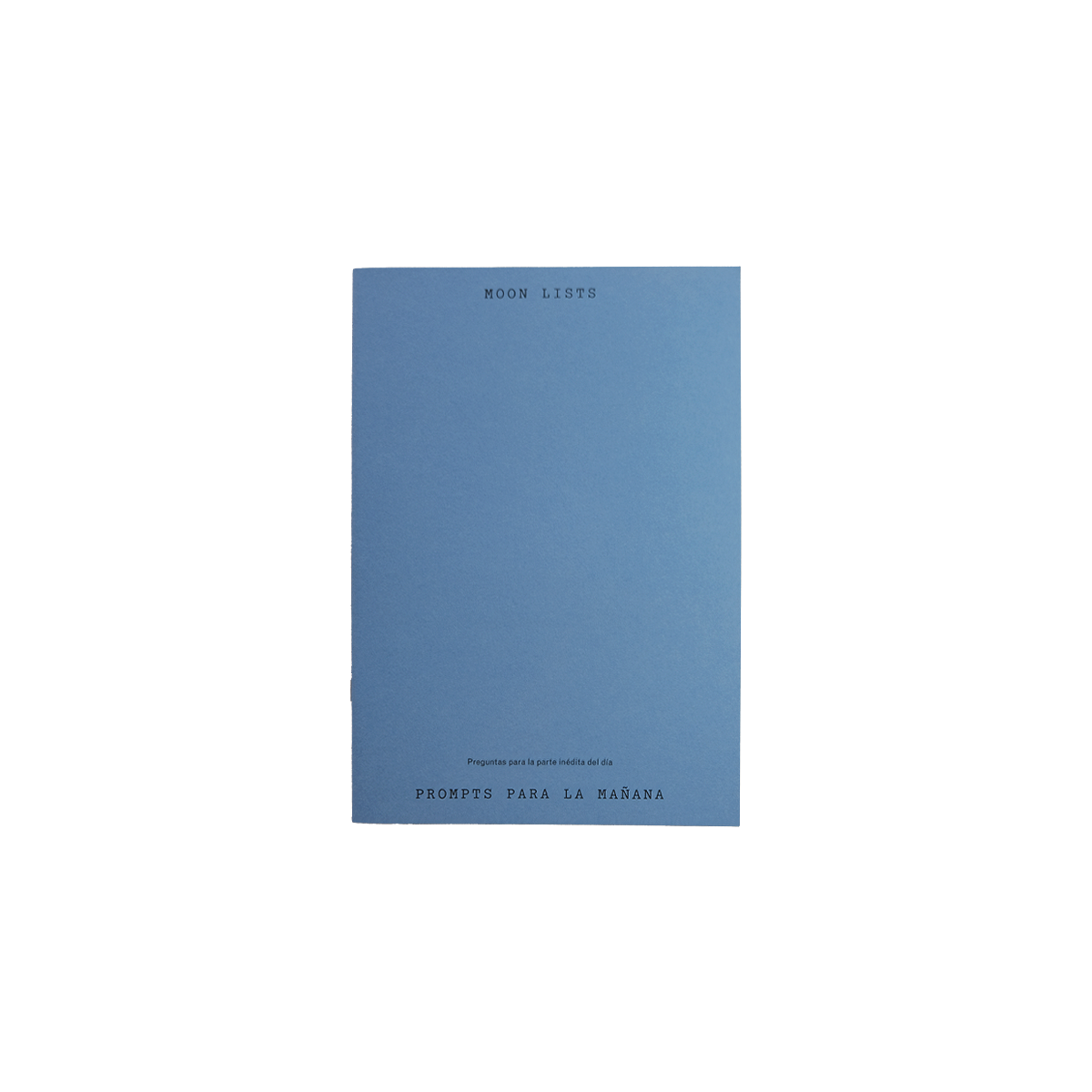
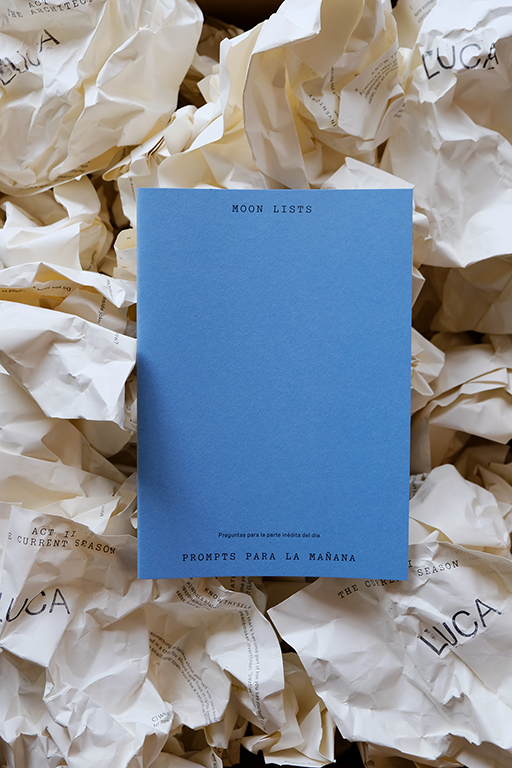
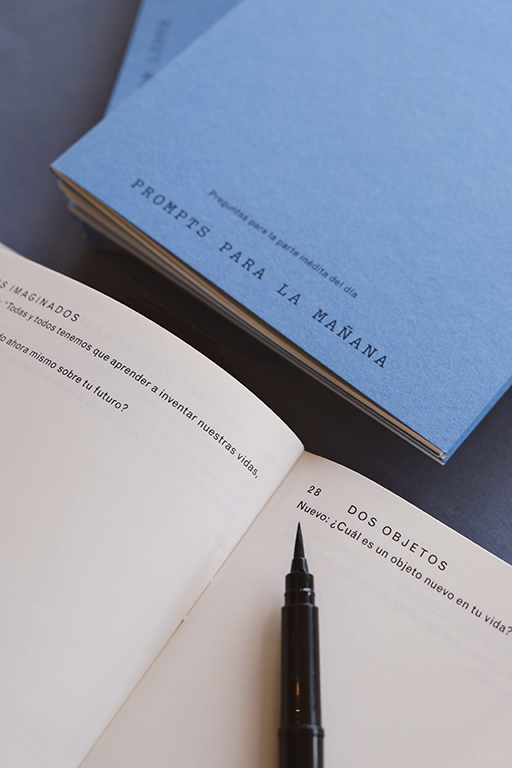
In this conversation, Leigh reflects on the beginnings of Moon Lists, the creative process behind it, and what it was like bringing Prompts para la mañana to life together.
For those new to Moon Lists, how would you describe the journals and the intention behind them?
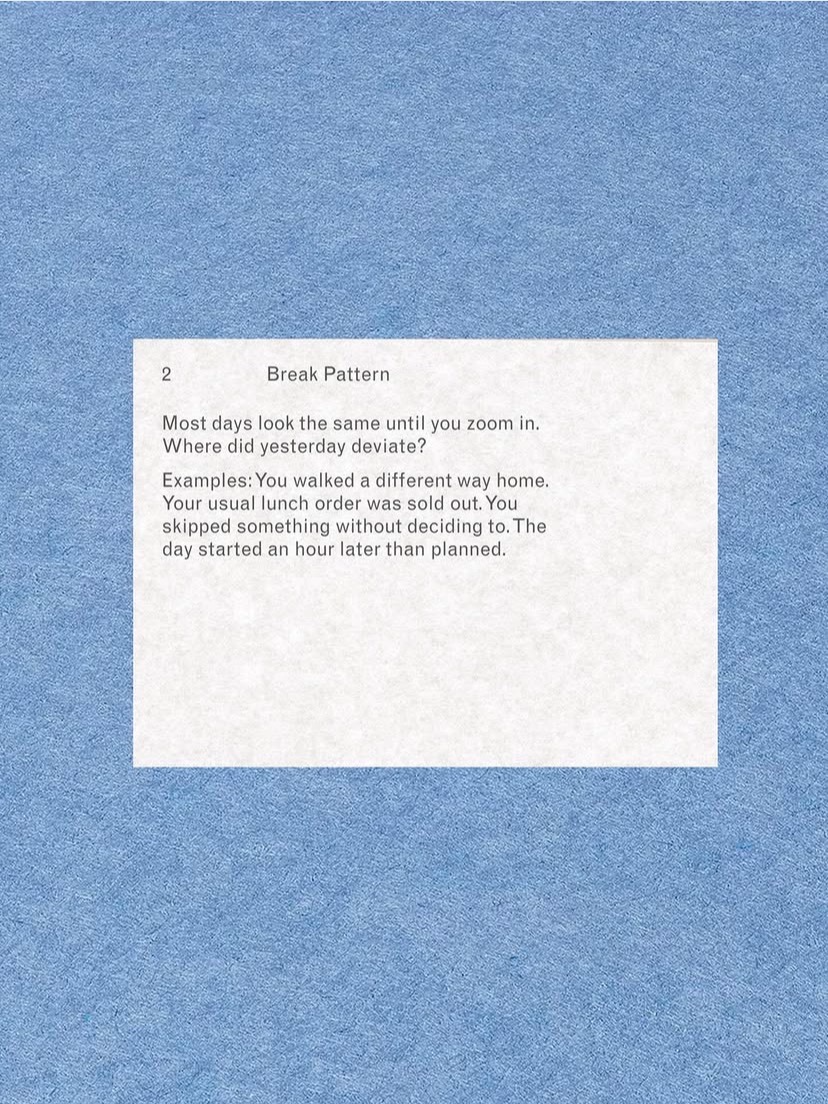
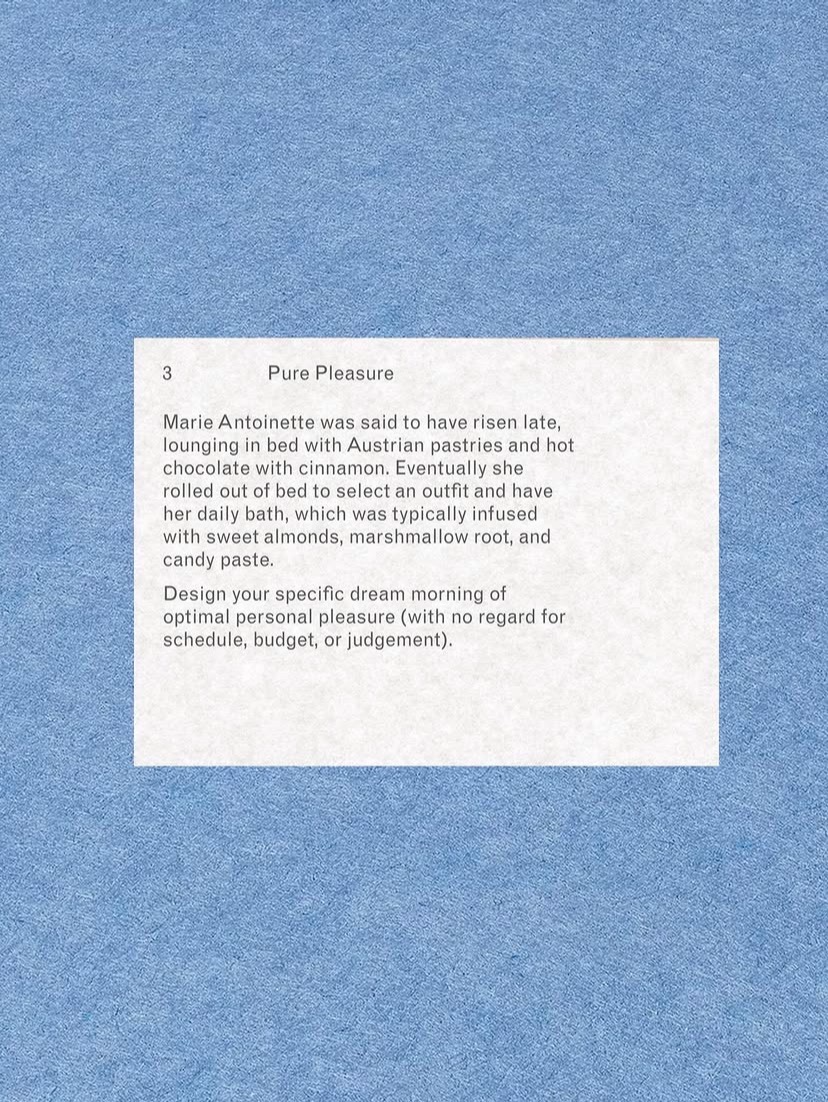
Moon Lists is a way to pay attention differently through prompts and experiments in thinking in sharper, more specific ways. At the moment it exists primarily in printed workbooks and a monthly newsletter, but the core of it is always coming back to the same ideas.
What first inspired you to create Moon Lists?
Moon Lists was inspired by my nosiness and the kindness of strangers :)
Over 10 years ago I was reading a magazine on a flight and came across an interview with Sam Abell, a former National Geographic photographer, now in his eighties, living in the Smoky Mountains. He mentioned a monthly ritual he and his wife had developed: a list of questions they asked one another to reflect on time passing and recount their recent experiences. I was curious, so I wrote to him and asked if he'd share the list and permit me to recreate the idea in my own way. Nearly a year later he replied with a letter, enclosing twenty or so questions and his blessing to reimagine it. That was the start.
The form has changed a lot since then, but the original idea still sticks - that the right question, asked with just enough of the unexpected, at just the right moment, can open up thought in ways that feel expansive and renewing.
Moon Lists feels very intimate, yet simple and approachable. Was that balance important to you from the beginning?
I'm not ever writing for an audience. I’m always just imagining one person reading it who can find something of themselves in a prompt, seeing it and thinking that, yes that’s what it’s like for me, too.
It's never been a conscious design decision so much as a filtering mechanism. If a prompt feels too performative, too sweeping, or too serious, it just doesn't work. I go through many rounds of editing and it drives me a little crazy!

What do you hope people feel when they sit down with one of your journals?
There's a version of journaling that's about aspiration; who you want to become. I'm much more interested in what's actually happening. How to be more curious rather than stuck in the same cycles. I find that way more useful, and more interesting. I suppose I hope people just feel like the current version of themselves.
Is there a prompt you return to often, or one you think is especially powerful?
I think the most effective one is maybe one of the oldest: What’s the current story you are telling to yourself, about yourself? It’s really easy to get stuck running the same script for years—decades!—about your own life. About who you are, what’s true to you, what you tell other people and yourself without examining whether it's accurate anymore, or whether it was ever fully true.
What does your research process look like?
It depends. Sometimes a theme feels obvious and more personal and I do very little research. Other times, I get interested in a topic (often it comes from a book, a place, or a conversation) and a theme slowly comes from me returning to the idea and digging in deeper. From there, research is a critical part of it, especially in giving me a wider frame to find perspectives and experiences outside my own. The least I can do, if someone is spending their time and their attention here, is show up with something that feels whole.
How do you know when a prompt is strong enough to include?
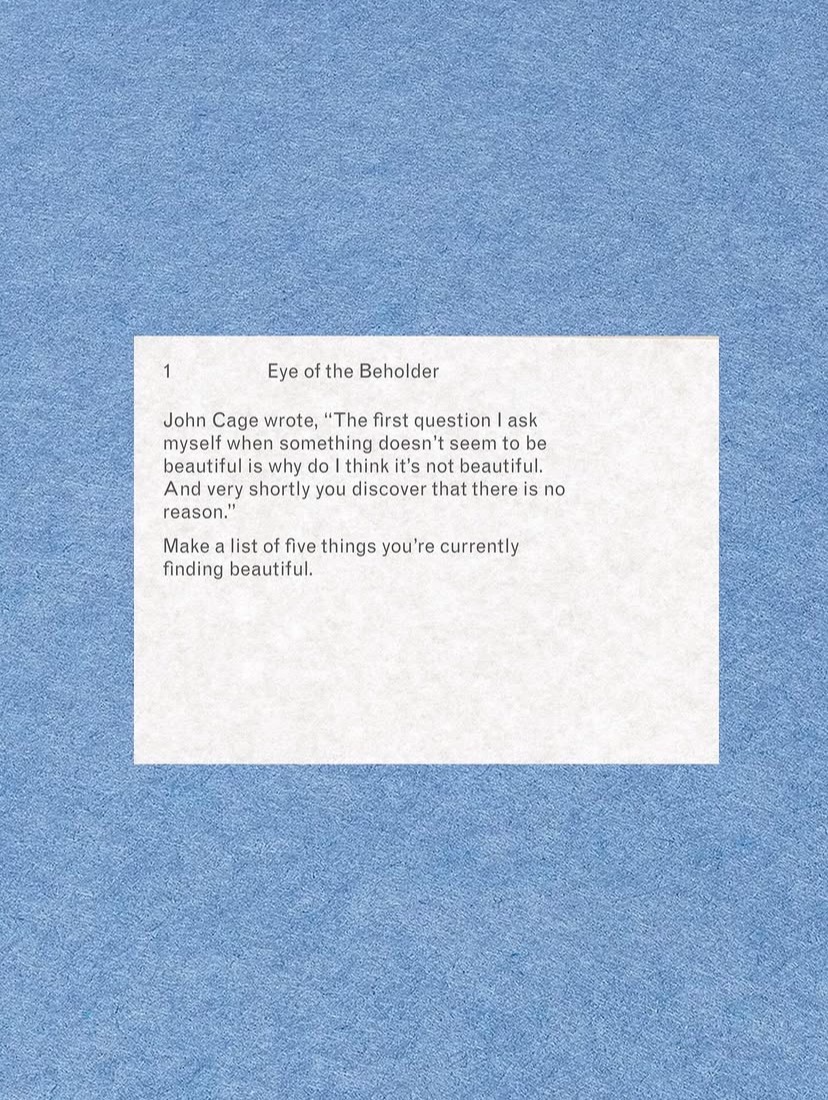
A strong prompt always invites a very clear answer (even if you need to sit with it for a moment). Nothing too vague, nothing too platitudinal, nothing so familiar you can answer it on autopilot. It should feel like something you actually want to answer. Ideally, like something you've never been asked before!
What did it mean to you to see Moon Lists carried into Spanish?
This is the second time I've had a book of prompts translated (the first was Japanese) and it's genuinely so meaningful to me. It is incredibly cool to observe the way these questions are universal ones. The specifics of a life differ enormously; the desire to make sense of it doesn't.
What were you hoping would remain intact across the translation?
Translation always requires a lot of trust. When you can't read the final text, you are fully relying on a translator to shepherd the emotion and tone through language. There’s a Walter Benjamin line about translation as a form of “liberation” of ideas; the task of carrying forth the spirit of the original. I really like that idea - not verbatim rigidly but a faithful understanding.
What excites you most about reaching Spanish-speaking readers?
The same thing that excites me about reaching anyone: the specificity of what they'll bring back. The prompts are a container; what fills them is entirely the reader's own experience. Someone in Puerto Rico will answer a prompt about a recent interaction with a stranger very differently than someone in Brooklyn
or Mexico City or Tokyo. That's the whole point. The prompt is the same; the recollection is entirely yours.
Has bringing Moon Lists into another language changed how you think about future journals?
Yes, I'd love to do more! It has been really clarifying as an exercise in watching your own work move through different hands and languages. It shows you what was structural and what was just decorative. The good stuff survives!
xx
Prompts para la mañana is now available online and in-store, alongside the English version Prompts for the Morning.