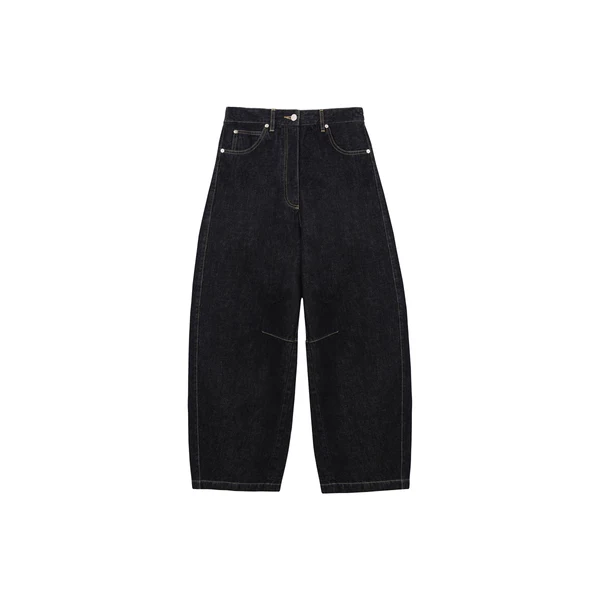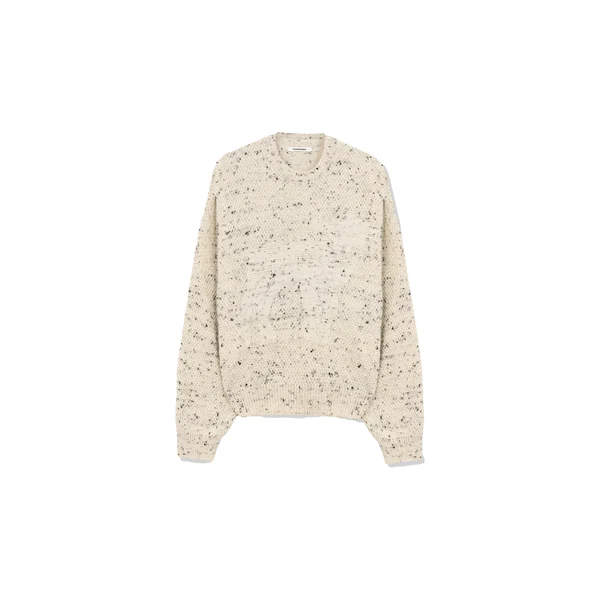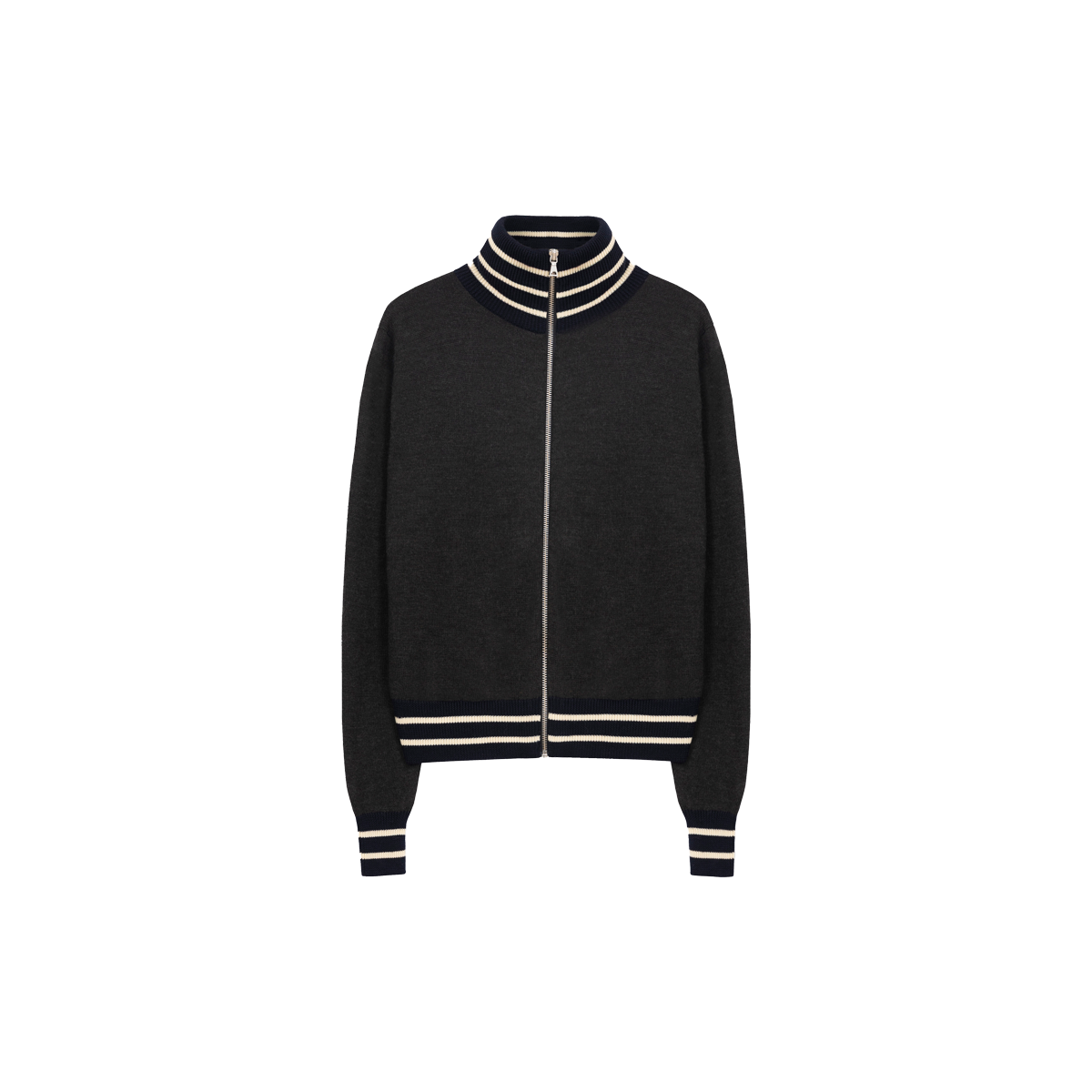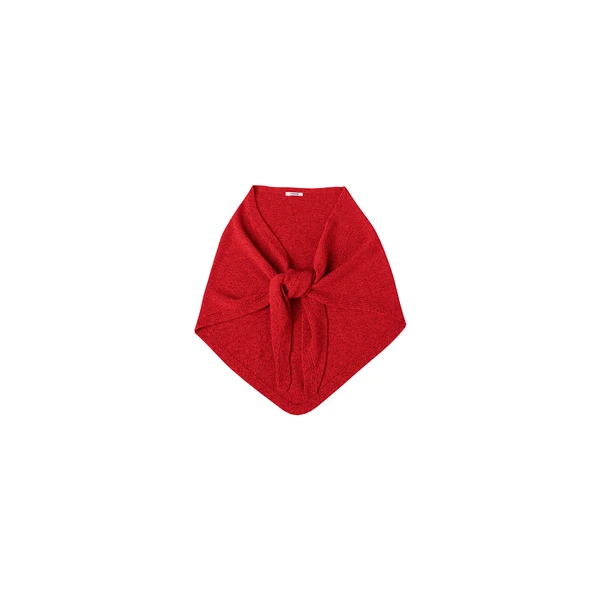
COMPOSITION
/
Wool Belongs in the Tropics, Too
Why I've stopped letting the fashion calendar tell me what to wear on an island with one season.
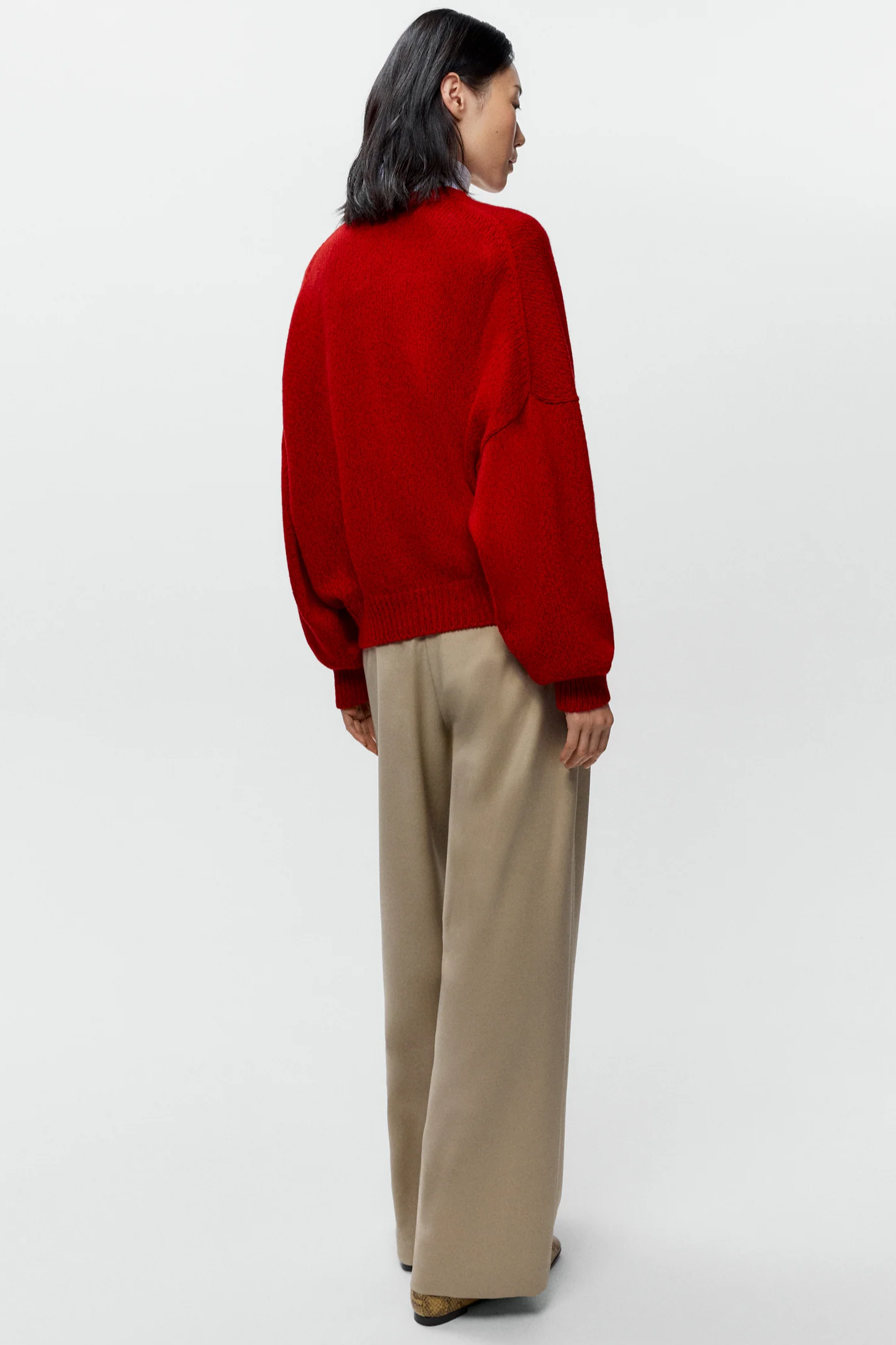
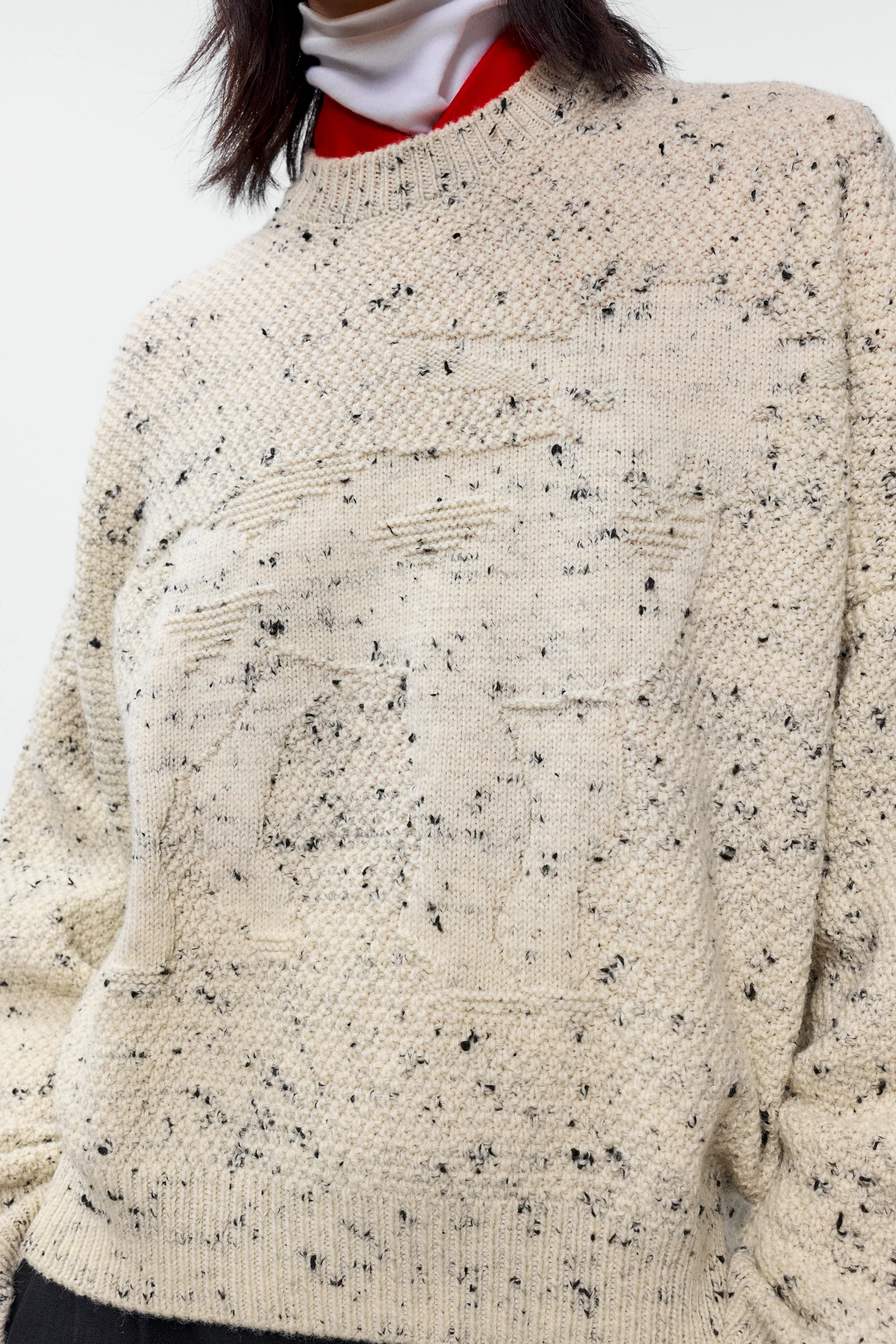
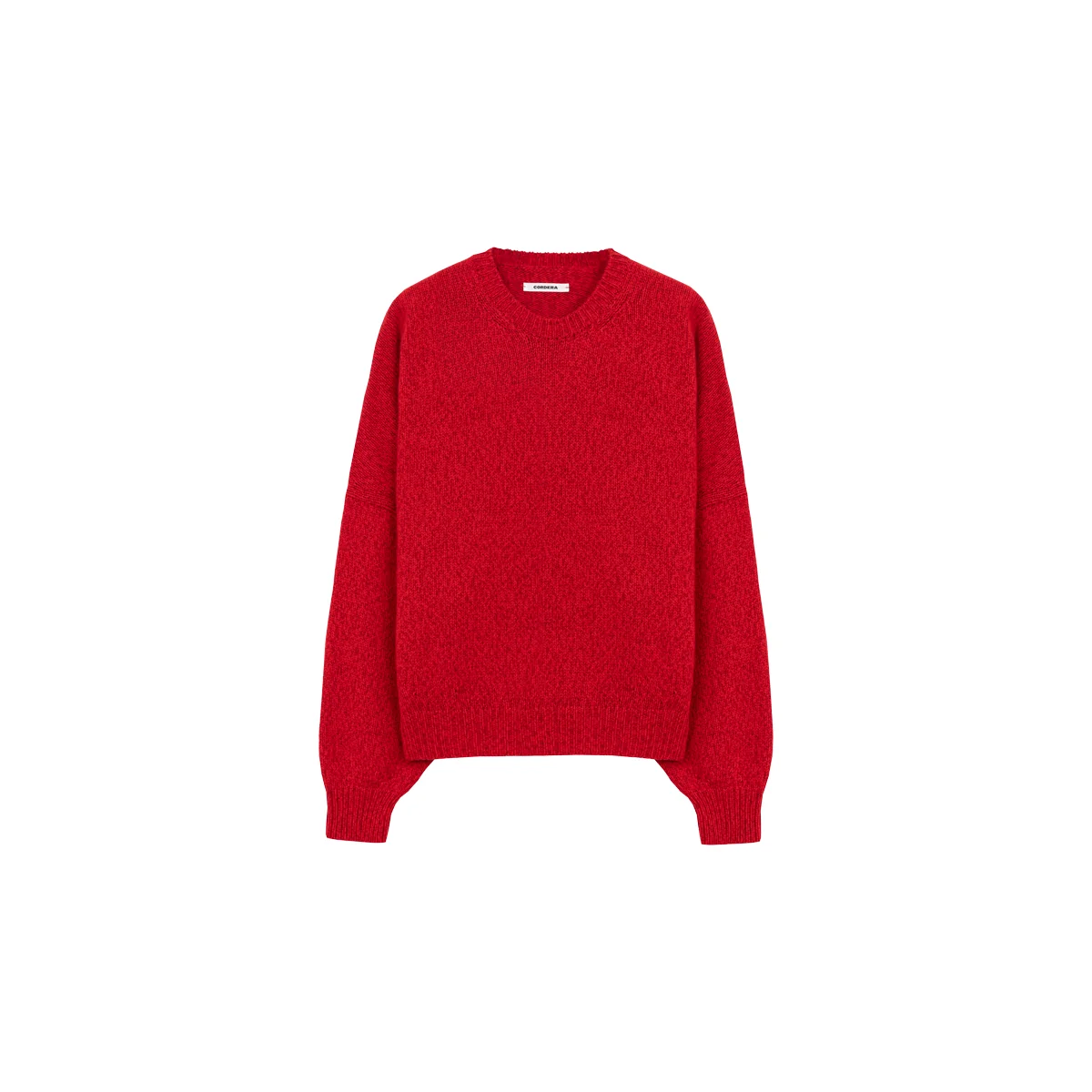
The first time we brought Cordera into LUCA, I wasn't sure what would happen. Their merino is spun so fine and so delicate that it barely reads as wool at all. It feels closer to a second skin. I'd half expected those sweaters to sit politely on the rack, waiting for a cold front that never comes. Instead, they became the thing everyone asked about. Clients would pick one up, feel how little it weighed, and look at me as if I'd played a trick on them. This is wool?
It is. And it's been on my mind ever since.
I know how that sounds in San Juan. Say "wool" and people picture a chunky sweater, a camel coat, maybe a fireplace somewhere in Vermont. It's the thing you pull out of storage for a December trip to New York and forget about the minute you land back home. On an island where everyone talks about the weather (by which I mean the heat), wool feels like it belongs to someone else's life.
But I've always found it a little funny, the way we give fabrics seasons. Linen is summer. Wool is winter. Cotton floats somewhere in the middle. We all know these rules, and almost no one questions them, even though they have as much to do with marketing as with the materials themselves. Living in the tropics makes you rethink a lot of things, and the seasonal wardrobe goes first. We don't dress for four seasons here. We dress for heat, for humidity, for the rain that arrives out of nowhere at four in the afternoon, and for restaurants or offices so aggressively air-conditioned you start wishing you'd brought a jacket. That last one comes up more often than you'd think.
And still, the clothes arrive the way they do everywhere else: spring/summer, fall/winter, as if we all lived somewhere with turning leaves. As the person who buys for LUCA, I can't escape that calendar. Most of the designers we carry are international, and that's the rhythm they work on. One of my favorite exceptions is Kowtow, from New Zealand. Right now, while everyone else is easing into autumn, they're heading into summer. I love that reminder that seasons are really just a matter of where you're standing.
Which brings me back to wool.
Wool is kind of a wonder. Each fiber is made of keratin, the same protein as our own hair, and it's remarkably good at handling moisture: it can draw vapor away from the skin before you ever feel damp, then release it into the air. It also has a natural spring that keeps a garment holding its shape long after linen has given up. Everything depends on how it's spun and woven. The same fiber can become a heavy winter coat or, as those Cordera sweaters proved, something so light you forget you're wearing it.
None of this is new, either. In 1907, an English mill, Martin Sons & Co., introduced a cloth called Fresco. It was wool, but made from tightly twisted yarns woven into an open, almost airy weave, so air could move through it while it still looked and hung like proper tailoring. Fresco came out of an era when European manufacturers were figuring out how to dress for hot climates, mostly in service of colonial travel and administration. That's a complicated history, and it's worth saying so. But the idea itself still fascinates me: more than a hundred years ago, people were engineering wool for the heat.
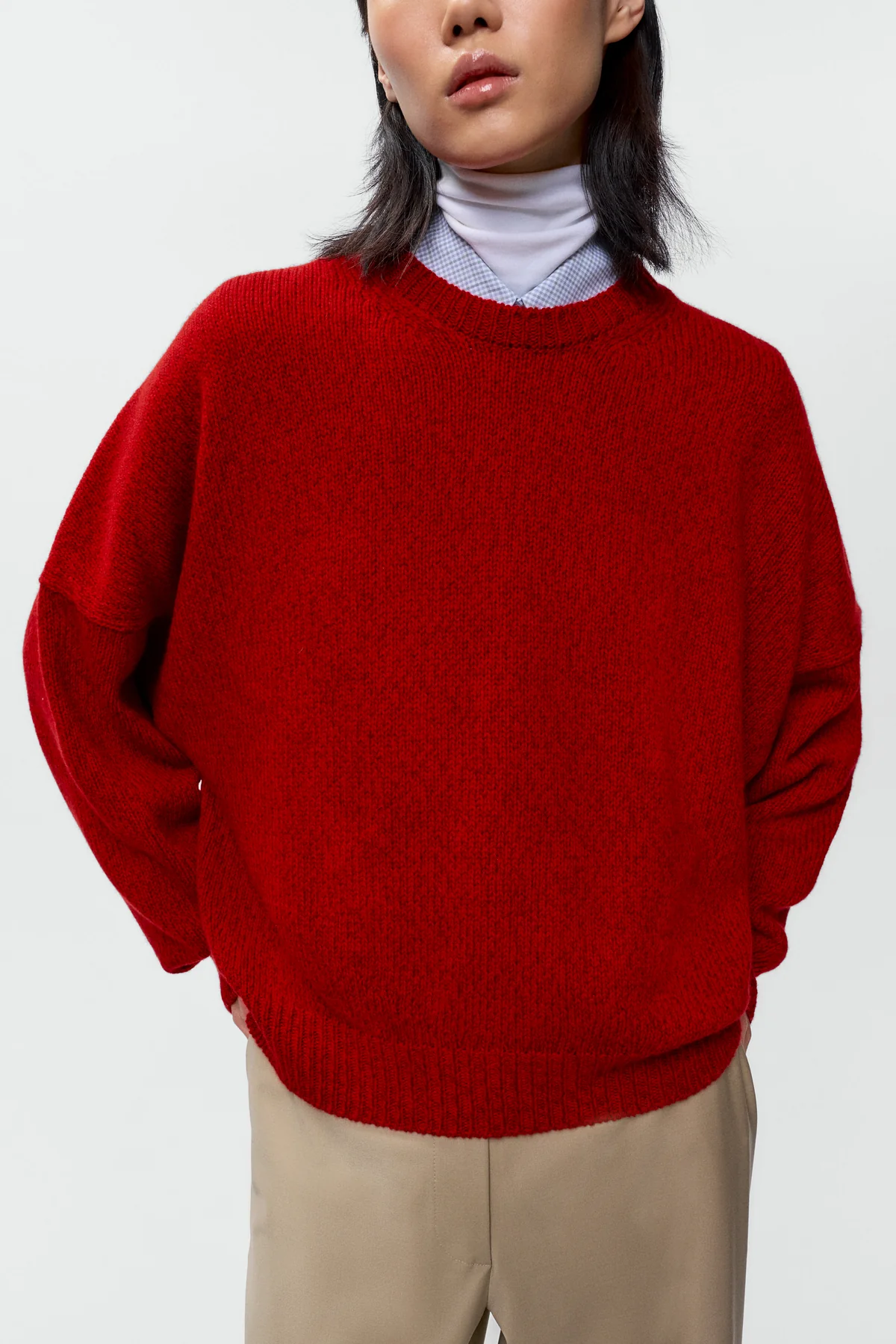
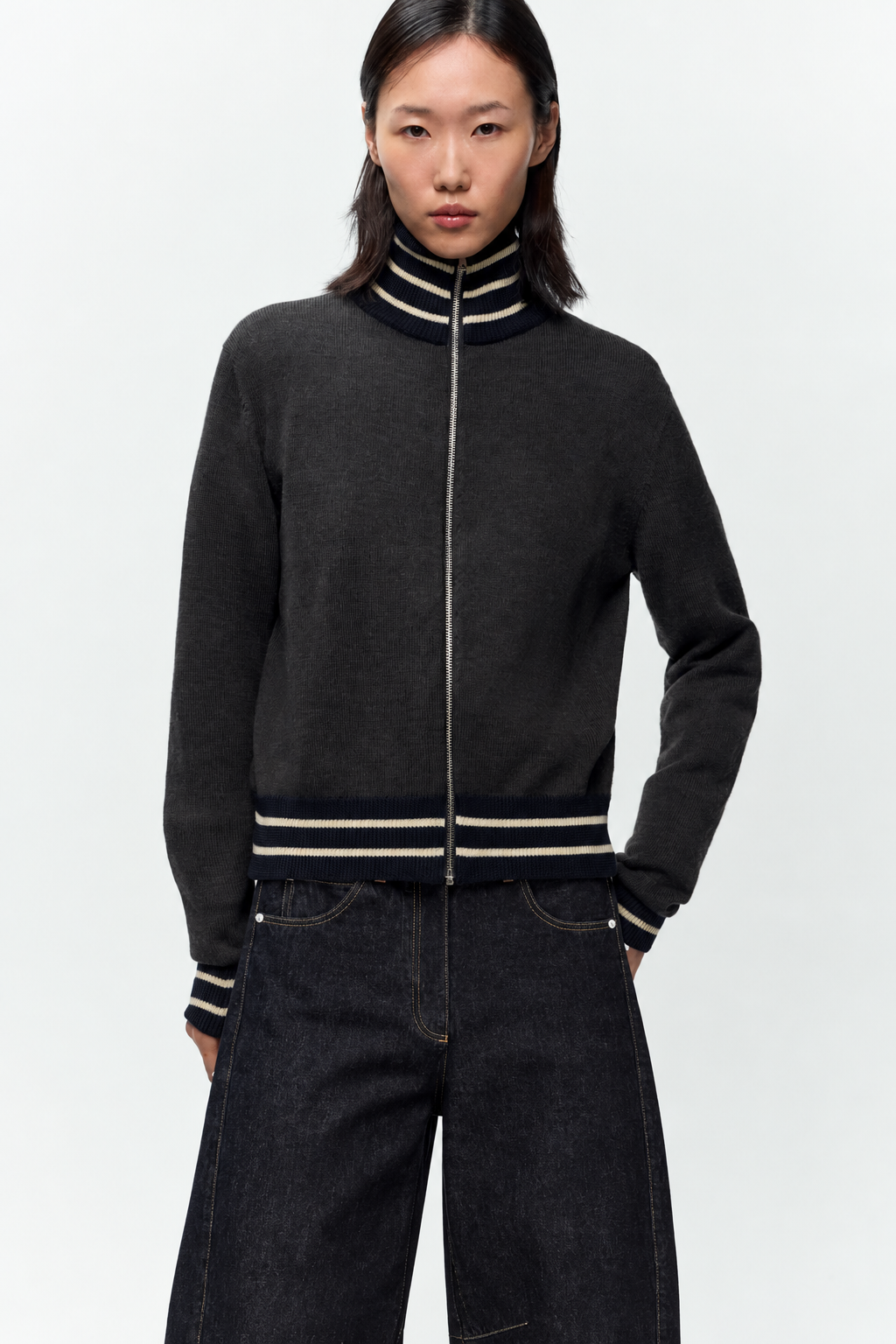
There's a whole category for it, too: tropical wool, the backbone of warm-weather tailoring for generations. It uses fine yarns, open weaves, and featherweight constructions. You get cloth that breathes and still drapes the way only wool does. Whether a fabric works in a climate isn't about the fiber on the label. It's about what was done to that fiber on its way to becoming cloth
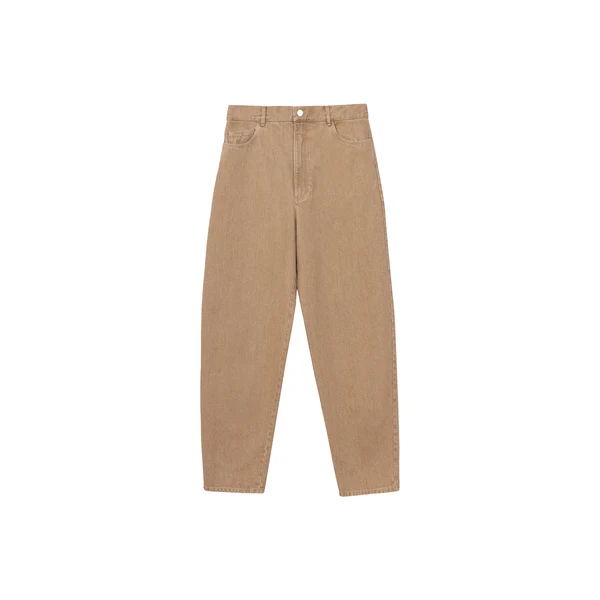
Don't get me wrong. I adore linen, the texture, the ease, even the wrinkles. Some days, though, I want something else: a little structure, a cleaner line, a pair of trousers that still looks crisp after a long lunch. That's where wool gets interesting, and it's why Cordera is back on our racks this year. Our clients' curiosity told me something I'd suspected for a while: we never needed to treat wool as the odd one out here.
To be clear, not every wool piece belongs in 90-degree weather. A thick knit is a thick knit, no matter what anyone tells you. But the light, fine, beautifully made things deserve another look.
In the end, dressing for the tropics has never really been about wearing as little as possible. It's about knowing your climate well enough to dress beautifully in it. And maybe, just maybe, it's about letting wool into the conversation.